OUR OBJECTIVES
The Global Development Network (GDN) Pakistan is committed to advancing sustainable and inclusive development through research, innovation, advocacy, and community-based programs. Our objectives align with the United Nations Sustainable Development Goals (SDGs) and address the diverse social, economic, and environmental challenges facing Pakistan.
Through a multidisciplinary approach, GDN works to empower communities, strengthen institutions, and promote equitable access to opportunities for all.
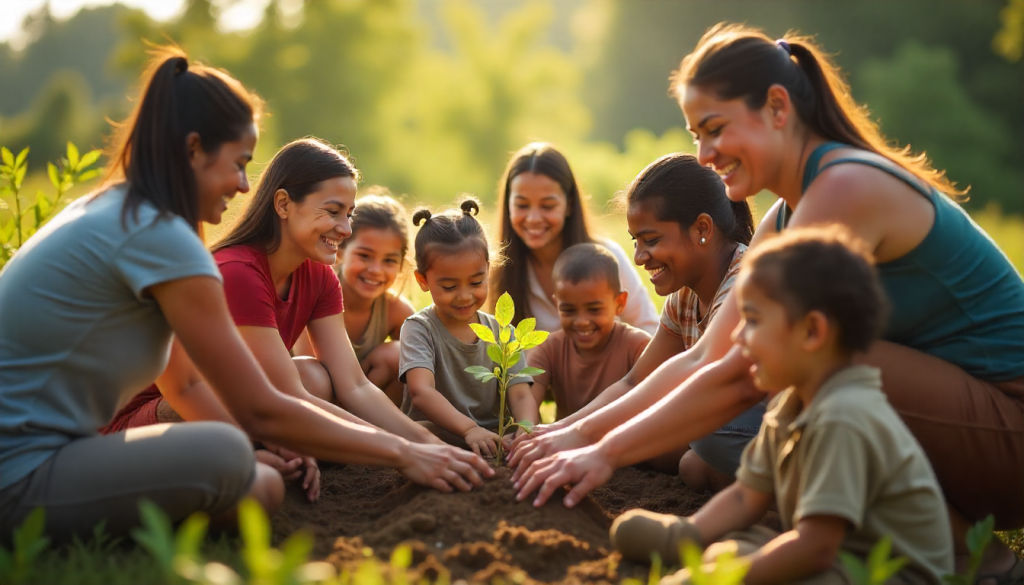
1. Social and Community Development
- Community Development: Strengthen local communities through participatory programs that enhance livelihoods, social inclusion, and collective resilience.
- Poverty Alleviation: Develop and implement initiatives aimed at reducing poverty through employment, entrepreneurship, and social welfare support.
- Human Rights Promotion: Advocate for equality, justice, and the protection of basic human rights at all levels.
- Gender Development: Promote gender equality and empower women to participate fully in social, political, and economic life.
- Women’s Empowerment: Support women’s education, leadership, and entrepreneurship programs to enhance their role in development.
- Violence Against Women: Work to prevent and address all forms of violence and discrimination against women through advocacy, awareness, and legal support.
- Minority Rights Development: Promote social harmony and protect the rights of marginalized and minority groups in Pakistan.
- Senior Citizen Development: Support programs that improve the welfare, healthcare, and dignity of senior citizens.

2. Health and Well-being
- Health Development: Improve access to quality healthcare and promote preventive health awareness campaigns.
- HIV/AIDS Prevention: Support awareness, treatment, and rehabilitation programs for HIV/AIDS patients.
- Tuberculosis (T.B.) Control: Enhance community-based initiatives to prevent and treat tuberculosis across vulnerable populations.
- Blood Bank: Establish and support blood donation centers to ensure a steady supply of safe blood for those in need.
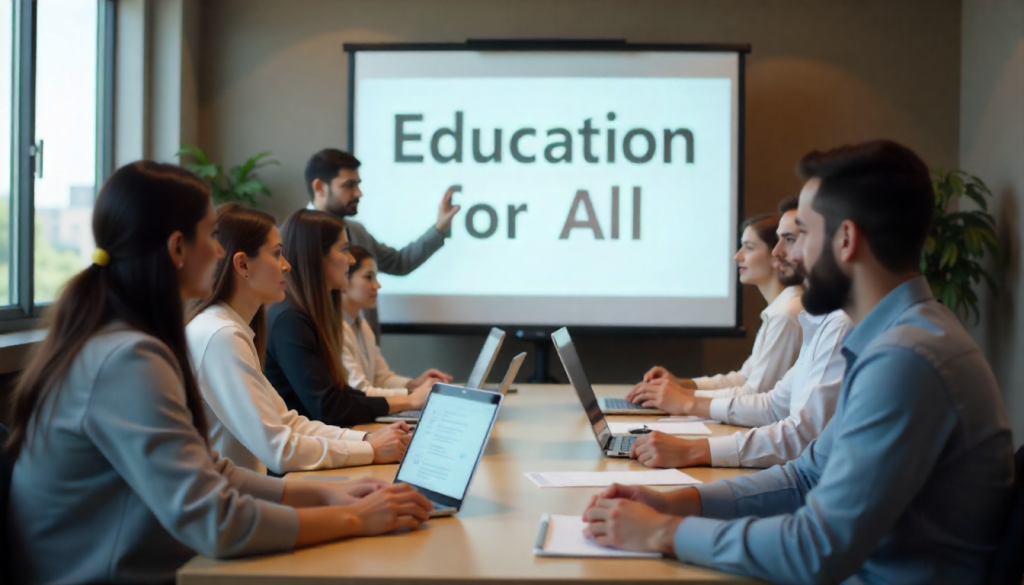
3. Education and Capacity Building
- Education Development: Promote access to quality education for all, particularly in underserved areas.
- Technical Education: Offers vocational and technical training to prepare individuals for skilled employment.
- Professional Training: Conduct specialized training programs to enhance professional and entrepreneurial capabilities.
- Distance Learning Education: Expand access to education through online platforms and digital learning tools.
- Short Courses and Certifications: Provide targeted learning programs that build practical skills and knowledge.
- Information Exchange Education: Encourage collaboration and the sharing of best practices among educational institutions.
- Library Development: Support the establishment and improvement of libraries to promote lifelong learning.
- Book Bank and Cloth Bank: Collect and distribute educational materials and clothing to disadvantaged communities.
- Literacy and Digital Marketing Development: Enhance digital literacy and marketing skills to empower youth and entrepreneurs.
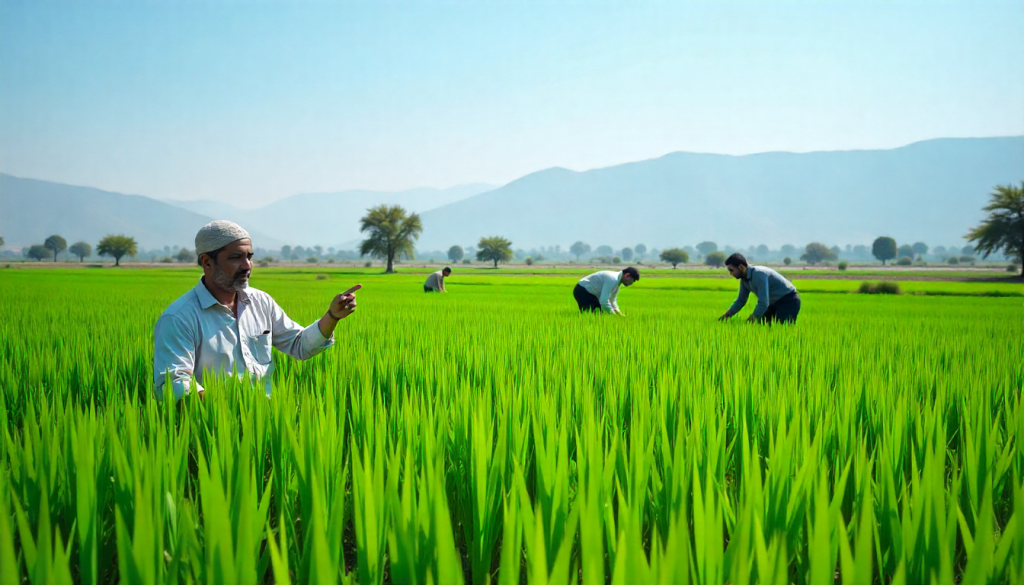
4. Agriculture, Environment, and Natural Resources
- Agriculture Development: Improve agricultural practices through training, innovation, and sustainable farming techniques.
- Farmer Development: Empower farmers with access to modern tools, technologies, and financial resources.
- Livestock Development: Support animal health, dairy production, and livestock management systems.
- Animal Development: Promote animal welfare and productivity in rural communities.
- Forestry Development: Conserve and expand forest areas through community forestry and reforestation projects.
- Fisheries Development: Enhance fishery management and promote sustainable aquaculture practices.
- Water Management: Implement effective water conservation and management systems for agriculture and domestic use.
- Natural Resources Management: Promote sustainable utilization and protection of Pakistan’s natural resources.
- Climate Change and Agriculture: Address the impacts of climate change on agriculture through adaptation and resilience programs.
- Environmental Protection: Advocate for policies and initiatives that ensure clean air, water, and land.
- Disaster Risk Management: Strengthen preparedness and response strategies to minimize disaster impacts.

5. Infrastructure and Economic Development
- Infrastructure Development: Promote sustainable urban and rural infrastructure projects for improved connectivity and services.
- Unemployment Development: Create employment opportunities through training, entrepreneurship, and economic empowerment programs.
- Information Technology Development: Expand digital access, promote ICT training, and encourage innovation-driven enterprises.
- Business Development: Support small and medium-sized enterprises (SMEs) and promote sustainable business practices.
- Advocacy and Policy Influence: Engage policymakers and stakeholders to drive reforms that promote social justice, transparency, and inclusive growth.

6. Specialized Support Initiatives
- Legal Aid: Provide legal assistance and awareness programs to ensure justice for marginalized communities.
- Media and Communication for Development: Use media platforms to raise awareness and promote development-oriented narratives.
- Global Collaboration and Partnerships: Foster partnerships with national and international organizations to exchange knowledge, resources, and best practices.
Conclusion
The Global Development Network (GDN) Pakistan remains dedicated to transforming these objectives into actionable programs that uplift lives, protect the environment, and foster inclusive growth. Through collaboration, innovation, and community engagement, we aim to build a sustainable, equitable, and prosperous Pakistan for all.